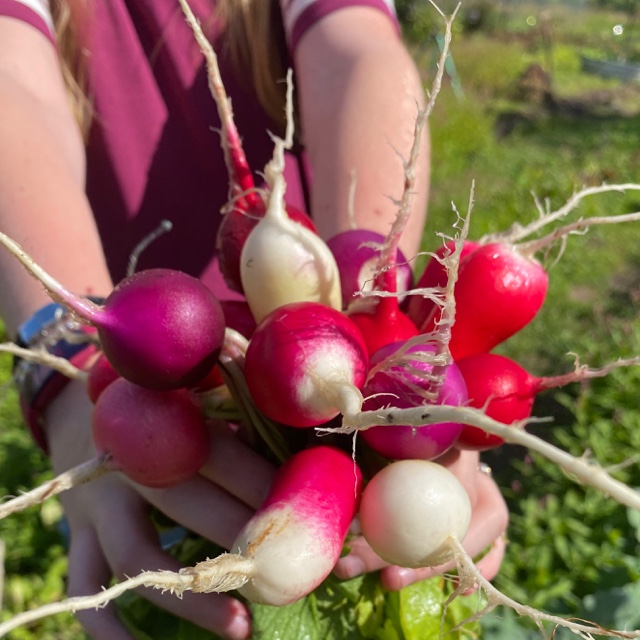
The Holidays tend to bring out thoughts of home, family, warmth, traditions…That deep sense of gratefulness in all of us. Some of the very things that inspired me to write about the Hansen Family who homesteaded our property in 1912. Seventeen years ago, we were fortunate to befriend one of the two remaining descendants still connected to this beautiful place, Mary Lou Hansen. Without her insights, I would not have experienced the same deep connection to this small farm eden we now refer to as RoseOrchards/WillaBella Farm.
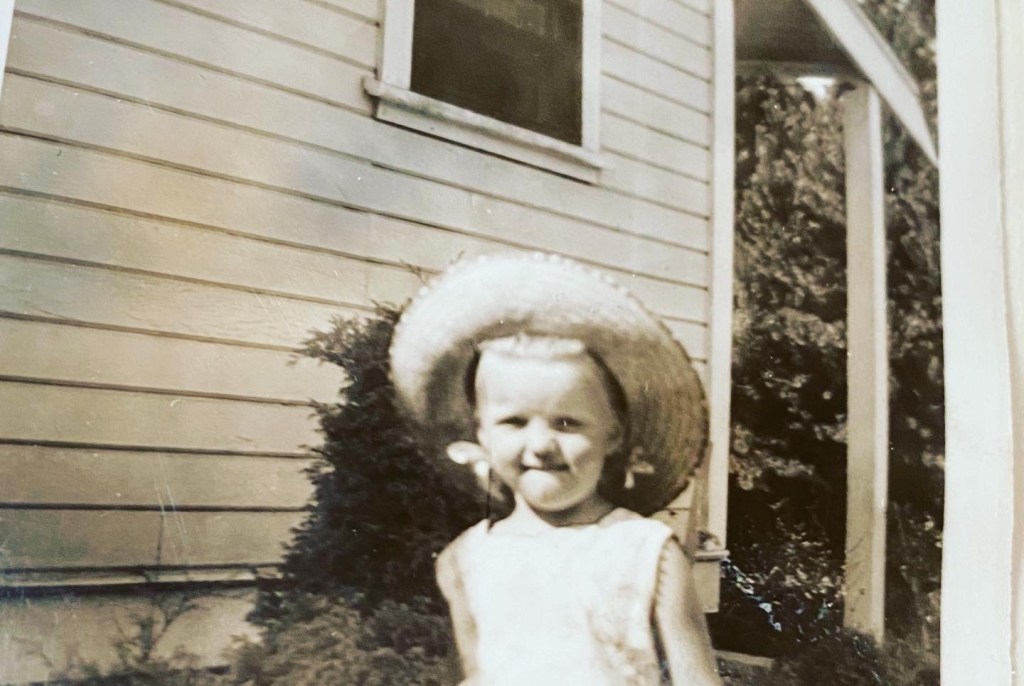
Seven months pregnant with our first born, we learn about a historic farmstead for sale in our small Gig Harbor town. The 100 year old farm vacant for some time. Upon visiting the property, I immediately took note of the old buildings, knotty fruit trees and extensive overgrown berms. Although needing some attention, it was clear someone loved this place very much at one time.
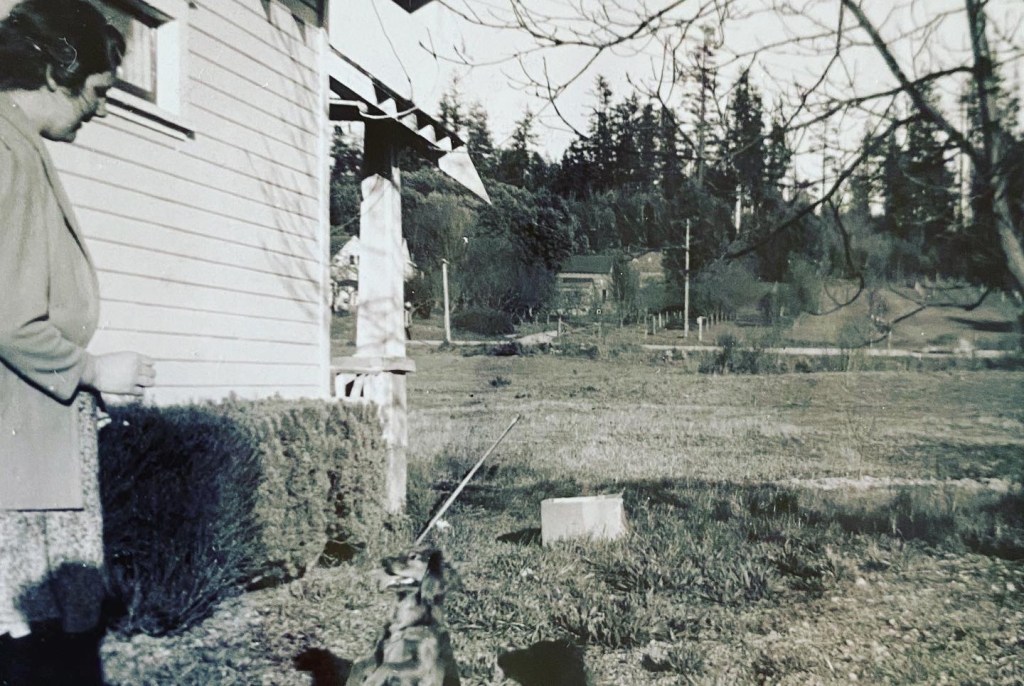
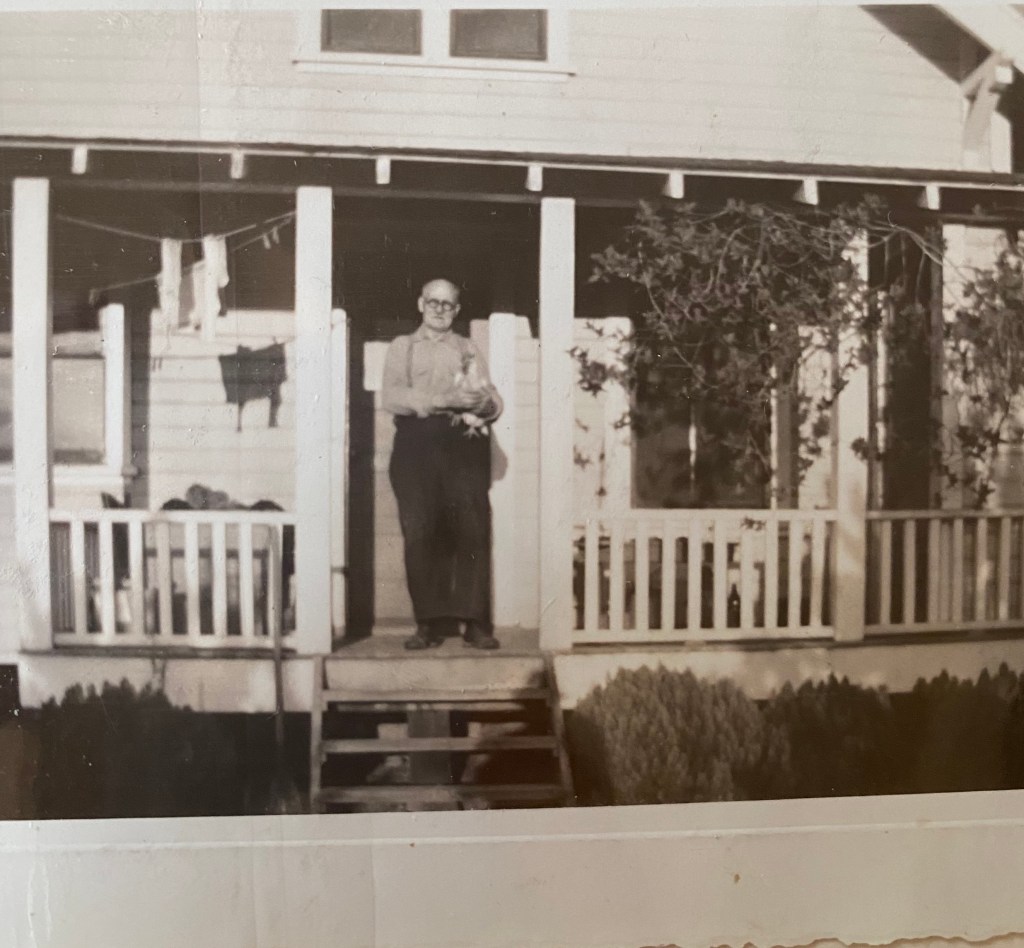
The farm house was a small, white craftsman style charmer. Entering via the tiny covered porch, we navigate through the chopped up rooms, peeking under green shag carpet to reveal scratched Fir floors beneath, charming arched doorways, so much history. I could picture starting our family here. It would need some “fixing up” but nothing a little paint and elbow grease couldn’t fix. My skeptical hubby not so convinced. Through his hard working eyes, he saw labor, lots and lots of labor and mucho moola.
Nevertheless, enjoying the adventure of poking around the old barn, he turns to tell the agent that he would like to move on & keep looking. My heart sank. Days followed, I couldn’t stop dreaming of that little farm. I called our agent, a brother of a friend, begging him to show my hubby properties that he would literally hate. Secretly setting the criteria…Busy road, pesky neighbors, junk cars. He agrees to follow along, knowing my end game with some decent commission on the line. Men don’t typically argue with cranky 3rd trimester mommas, if they know what’s good for them.
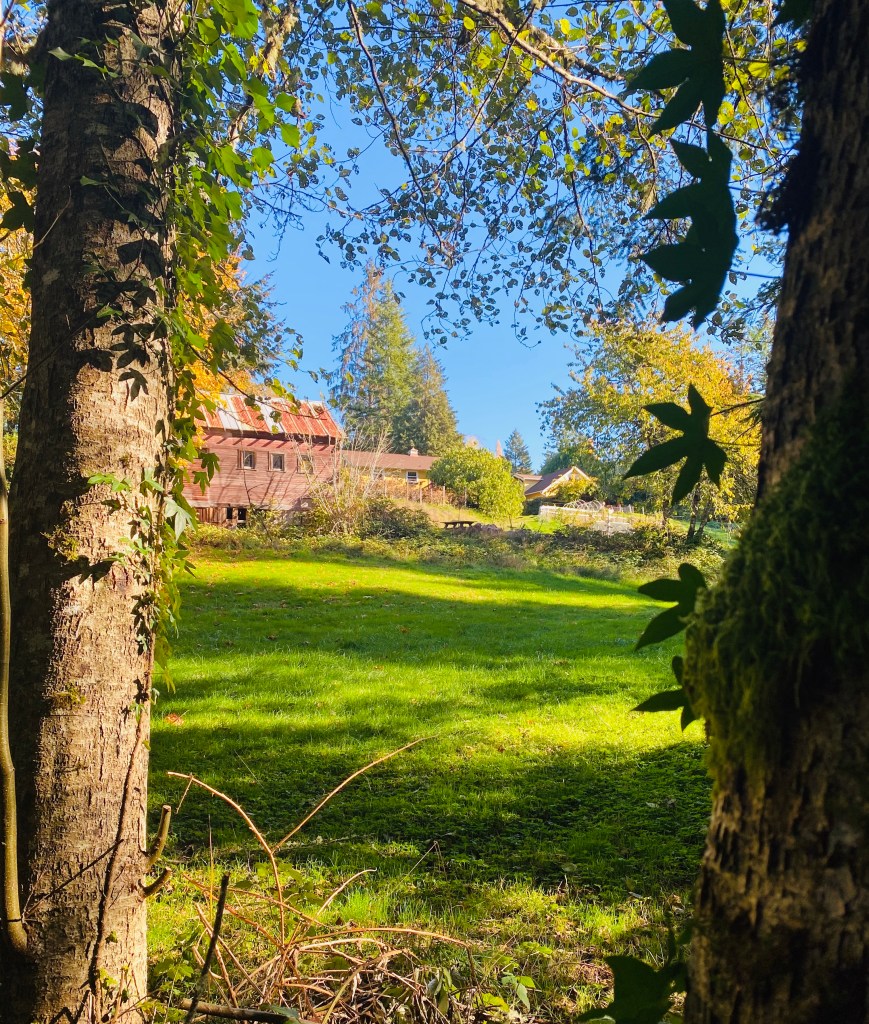
A few weeks later, we meet Mary. Sitting in the living room of the old farm house. She requested a meeting with the potential buyers. We enter gingerly, no one would doubt by the look on her face, she was focused on sizing up our intentions. Polite, cordial and all business. This was her childhood home after all, her grandparents legacy. She wasn’t going to just sell it to anyone. I recall spending an extended time with her hearing about her love for this place, while focused on putting our best face forward. Promising to not develop the land or otherwise destroy the house, her grandfather built. Appealing to her love for family through my enormously protruding belly and swollen ankles, we made a connection. After many conversations, and thanks to a sizable sales bonus I had earned that year, we subsequently closed on the farm. Baby on the way, we quickly got busy restoring and creating our little farmstead. Rose Orchards was born circa 2004. I was so grateful to share a deep love for this land, Mary and I had become kindred spirits.

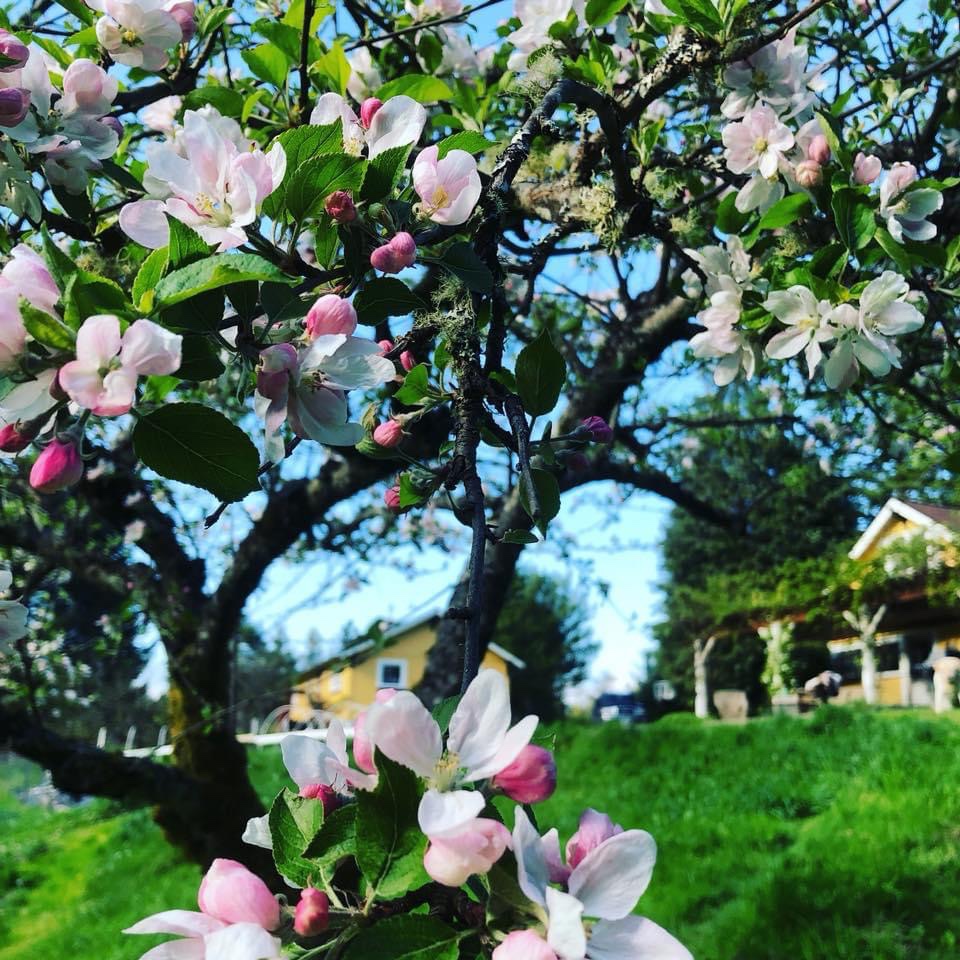
Fast forward to 2020, the Farm a youth teaching model renamed WillaBella Farm, combining our children’s names. Now in our mid 50s, teenagers zoom schooling from home with a raging 100 year pandemic underway. We had not seen Mary this past summer, as customary during our annual Fig season. I had been thinking about her and wondering how she was coping. Holidays fast approaching, I decided to reach out to come visit her small coastal town where she has lived for over five decades. Fiercely independent, she insists on coming out to the farm instead, as she has plans to visit her family cemetery plot in Cromwell for some seasonal cleanup.
Now approaching 80, she pulls into our driveway, hopping out of her truck like a youngster. I emerge, admiring how radiant she appears as she loves on our badly mannered chocolate Labrador. She looks up to greet me underneath her mask, with those bright smiling blue eyes. Both masked up, we can’t resist but to give a quick embrace. I haven’t seen her in soo long!
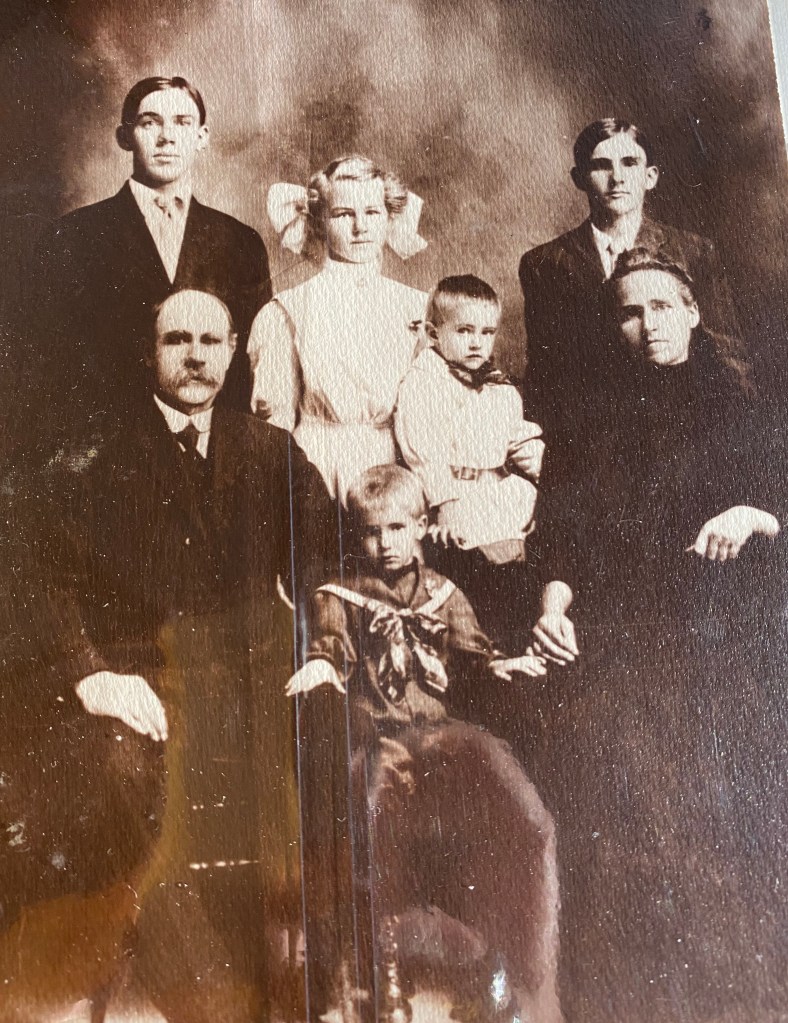
Mary’s grandparents & great grandmother arrived in GH from Norway via Ellis Island. The two brothers homesteaded neighboring properties that shared a common fresh water creek emptying into the eastern edge of Wollochet Bay. An area now known as Point Fosdick. Arriving in 1912, working to build their modest homes from harvested milled & dried trees, cultivating the land for food, and finding innovative ways to capture water into a handmade cistern. Laying down community roots and true self sufficient living long before it was trendy.
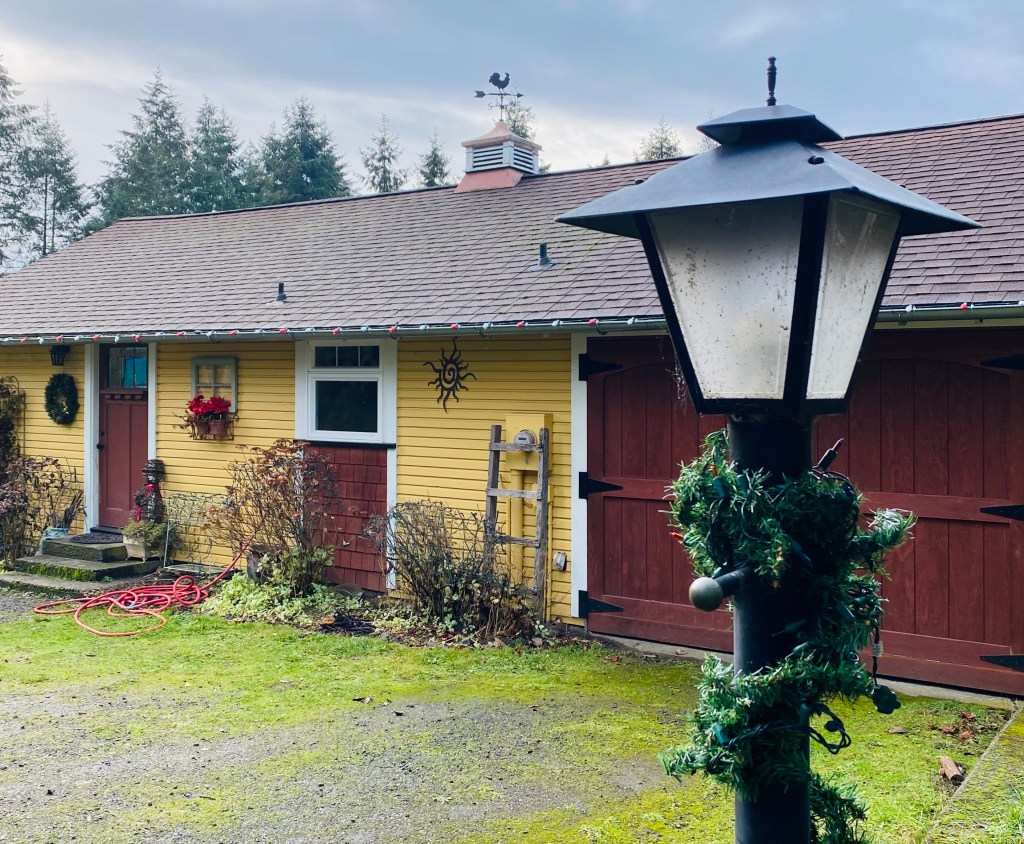
A retired physical education teacher, Mary always focused on the wellness of others, we stand in the driveway chatting briefly about our personal health challenges during this strange time. I joke about the pandemic causing one to become either a monk, a drunk or a chunk. Myself, feeling all of them as we approach nine months of being sequestered in our homes. I’ve never felt so grateful to live on a farm. We decide to resume our conversation over a cuppa inside one of the many outbuildings. Built as her Father’s woodworking shop, converted to our family gathering space, slash guest house 10 years ago.
I begin to ask her questions about a simpler time. Snuggling a family photo album on her lap, a very private person, timid in her response. We talk about her grandfather & his brother settling a combined 30 acres together, where they would eventually raise their families. Building 2 boat houses near the beach, sharing the space with the local native Americans who would come to fish each summer. As Mary explains. Beaches were not “owned” by anyone back then. She recalls rowing her mother out into the Bay after school to catch salmon for supper. Now only accessible via a long trek down the ravine, through thick brambles reaching over 10 feet in height. A treacherous, scratchy, muddy hike, our own family has only been able to navigate once in our 16 years here.
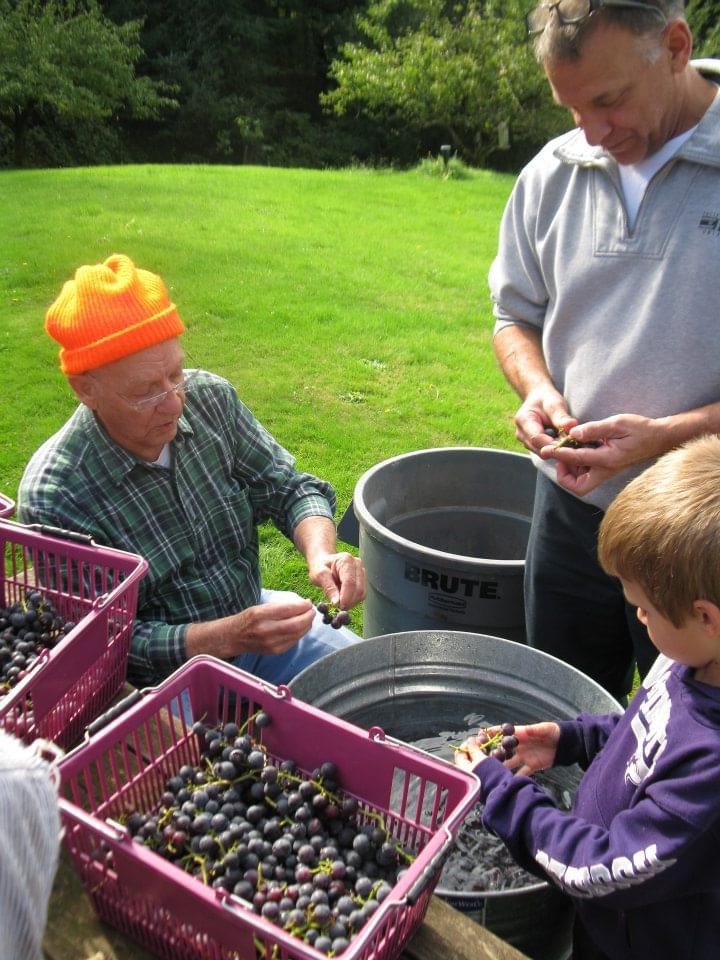
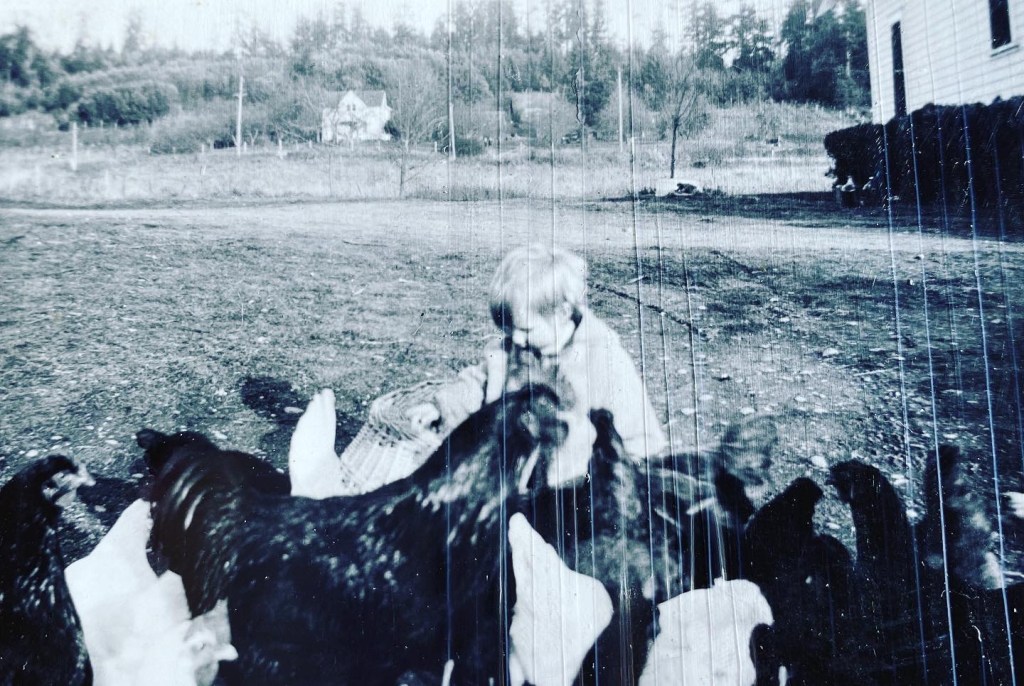
She speaks fondly about family gatherings at the farm. Every fall, the extended relatives would come to help harvest grapes & press cider on their giant, hand built apple press. While her Mother, Edna would bake homemade donuts to share with all who labored. So much to get done, while many hands make light work. We have adopted some of the same traditions, hosting our annual grape harvest with family every October. Cows grazing on the back pasture, just below the barn were used for milk, while hundreds of chickens and small poultry houses dot the landscape. The field in front used primarily for hay. Buckets of Island Belle Grapes filling the old farm truck to be driven to a winery on Stretch Island each season.


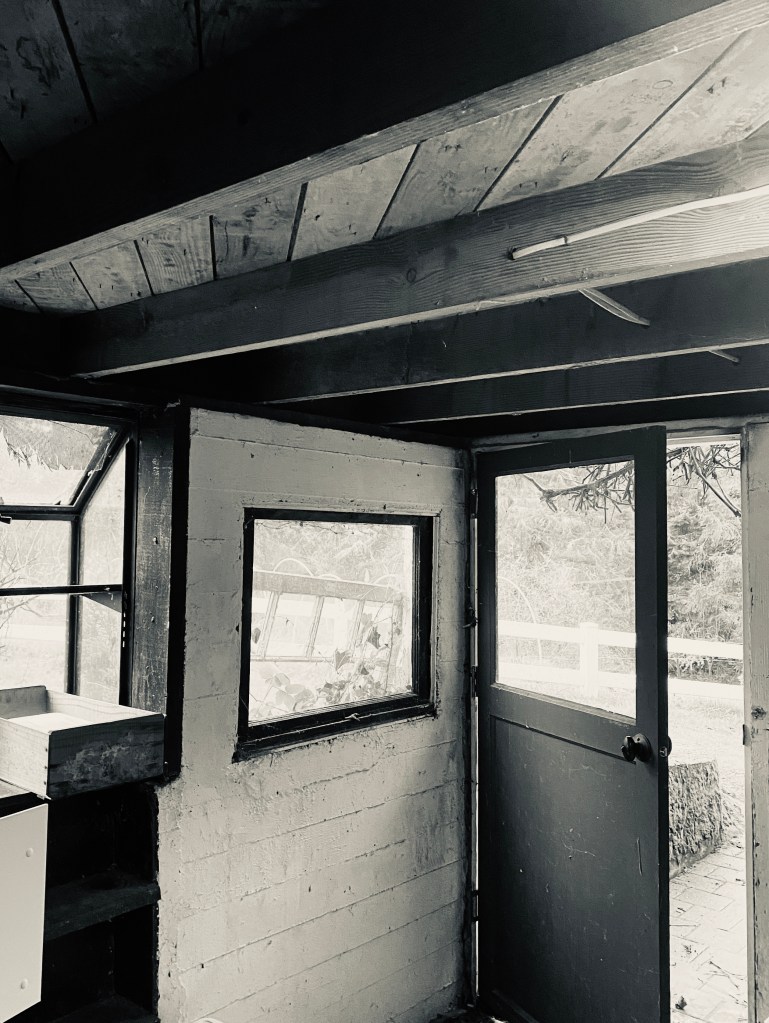
In addition to trades in carpentry, the Hansen brothers raised eggs & fryers (roosters at 100 days old) that they shipped around the region. Her Dad’s cousin, Henry Hansen, along with his wife Hazel developed their famed “Hansen Leg Horn” Chicken. Building a modestly lucrative chicken business by today’s standards. A local distribution truck would arrive twice a week, entering the rounded driveway to pick up fresh eggs. Mary & her sister Marge collecting them in metal baskets to store in the temperate room beneath the woodworking shop. No refrigeration needed. All this activity taking place where we now sit comfortably drinking coffee some 70 years later. Mary also recalls helping with the chicken harvest and tenuously plucking “All those feathers.” Explaining, “There were no gender specific roles back then.”

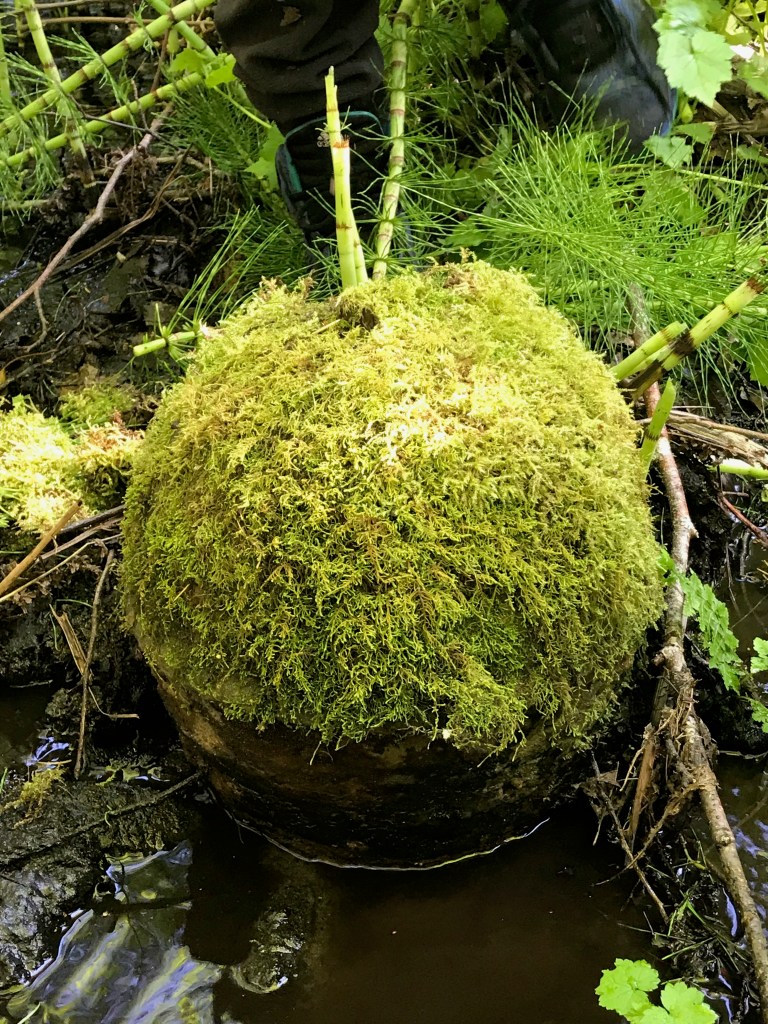
The original property that Mary affectionately refers to as “Heritage Place” included the cove at the end of the creek, used as their only source of water. Now 100 years later, the creek crossing several properties, water rights long forgotten, as deep wells were dug in the 70s. Salmon no longer navigate this stream, while most of the creek bed is choked out by erosion, noxious weeds of horsetail, evergreen blackberry & ivy. Some native salmon berry and devils club still peek through the thicket. The original ram still there, covered in moss used for pumping water up to the farm. (A hydraulic ram is a cyclic pump powered by hydropower. The device uses the hammer effect to develop pressure that allows the water that powers the pump to be raised to a point higher than where the water source originally runs).

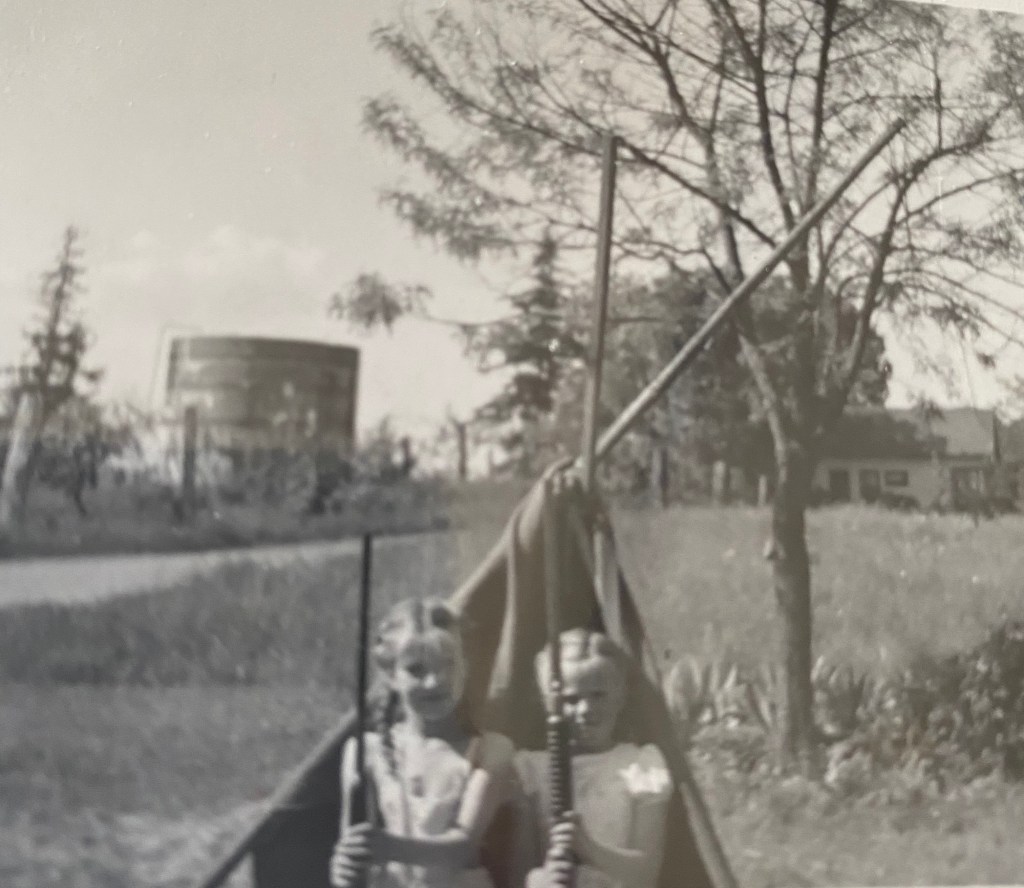
By the 1930s, the Point Fosdick area, comprised of mostly Norwegian settlers quickly grew into a small close nit community with “Many Mothers.” Smiles Mary with that snarky grin. “We didn’t get away with much”. Joking about the neighborhood kids doing their best to drum up plenty of trouble. Jumping off the pier, catching & throwing jelly fish at each other, so much innocence. “My mother would have killed us if she knew.” The neighborhood school located right across the road (where only rubble remains) with community church still standing vacant a short block away. Speaking fondly about visiting the original neighborhood Anderson’s grocery store, located at the end of 10th street. Now a private residence rented as a VRBO, among the heavily used public boat launch.
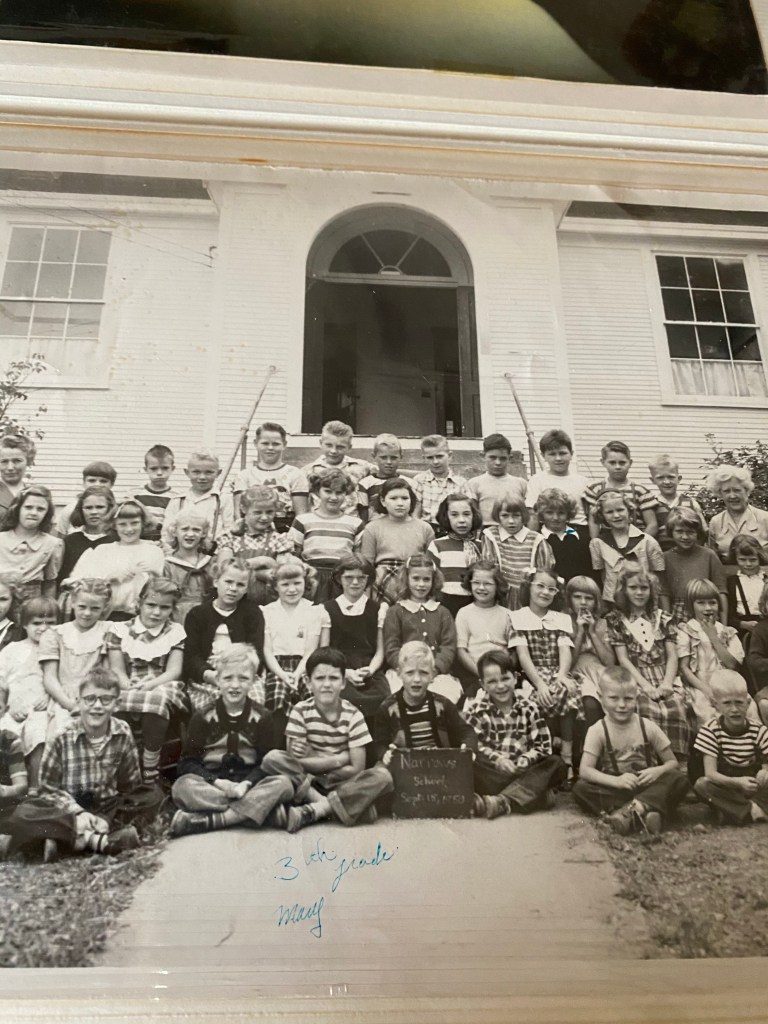

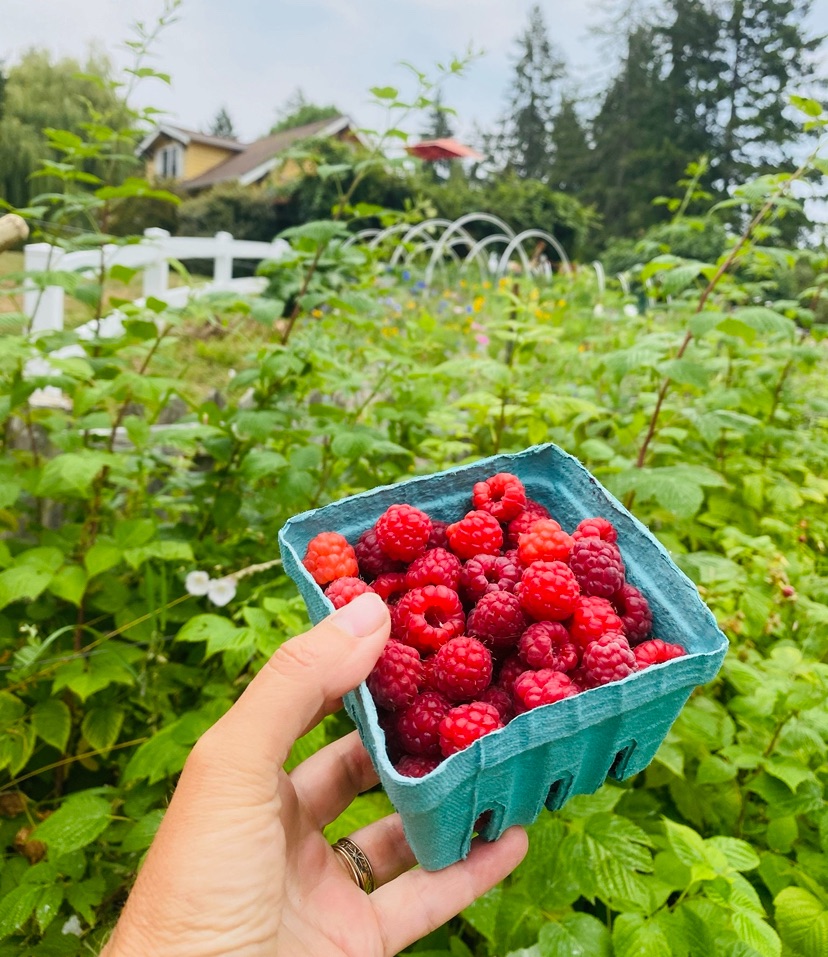
Mary’s mother Edna (Kopperman) was a local. She grew up farming with her family in the Rosedale area. Her family cultivating berries as their preferred crop. Rows and rows of Strawberries, Raspberries, Loganberries and others. She fondly remembers the family pruning the raspberries every year. “It wasn’t an option” she says. “It was just part of life”. Making certain to be in ear shot of my kids passing through. “We never referred to them as chores.” Mary did not have children of her own, but as an educator, she knows if we want to raise future generations of prudent, hard working adults, kids or no kids, we are all in this parenting gig together!
The main Point Fosdick Drive road was built of concrete during WWII, sturdy enough to transport heavy military vehicles. The road dead ending at the point, overlooking Hales passage with Mount Rainier in the distance. Barges were used to transport the Bremerton military vehicles to Stillicum and onto Fort Lewis. Mary recalls hearing the large military trucks passing by the farm at night, while she lay in her upstairs dormer shaped room. A ferry at the end of Point Fosdick was the only connection to the Tacoma area. It replaced the “Mosquito Fleet” (small Steamboats used for transportation) and was used to transport gravel for the construction of the first Narrows Bridge, opened in July 1940 but collapsing by November. The second sturdier bridge built after WWII, marking a significant time in history, bridging the Peninsula to Tacoma changing commerce and growth to this area forever.

Another prominent 50 acre farm in nearby Artondale, was owned by Mary’s Aunt & Uncle, the Grant Graham Family. Located up the hill, past the Artondale grange, was primarily used for grass fed cattle. One of their sons purchased the adjoining property and still resides on that land today. The entire Hansen family an integral part of Gig Harbor’s farming history, long forgotten by many. Most of the History of this area is focused on the Croatian Fishing families. While fishing was important, the local food farmers mostly go unmentioned. These inland homesteaders include some key family names as Etman, Kopperman, Hansen, Wall, Hagness, McCormick, Severtson, Lewison, Graham, Stone, Samuelson and Goodall are rarely if ever mentioned among the vast recordings of this area at our local History Museum. Scandinavian homesteaders in the surrounding unincorporated areas and their impact on the local economy and food systems often overlooked. Specifically the contribution small farmers had during the Great Depression of the 1930s. Hence the importance of capturing a mere glimpse of this valuable history from someone who recalls it best.
The Hansen Family, like most every one back then we’re stewards of the land, with a highly technical understanding of healthy ecosystems. They grew crops and raised animals in sync with nature. No chemicals or unnatural inputs were necessary or even a thing. Mary often speaks of the wildlife and natural ways of the earth in a very deep and spiritual way. Her ties to Native American values as a public educator and commitment to her tribal coastal community throughout her adult life. Encompassing a sense of purpose that shines through her every word.
We talk a little about how expensive properties are now on the Peninsula. Back in those days, parents willed their land to their children. Mary’s grandfather leaving the farm to her father, on condition that he would care for them in their elder years. Tragically her grandfather was killed by a car, on PSD while returning home from church. Leaving the farm to her father earlier than expected. We often gripe about how small our 1200 square foot house feels for a family of four, even with the multiple outbuildings. As I listen to her speak in gratitude how many family members lived among this small space, I am humbled. A simpler life indeed, in stark contrast to the ginormous mass produced homes of excess we see today.

She mentions being one of the few women in her family to go to college. Fiscally stable, she describes an experience she had while attempting to buy her first home in the early 70s. The loan officer telling her “You will need to come back with a man to co-sign for you”. She expresses how grateful she was to female trailblazers like Ruth Bader Ginsberg, who literally two years later made it possible for her to buy her first home.
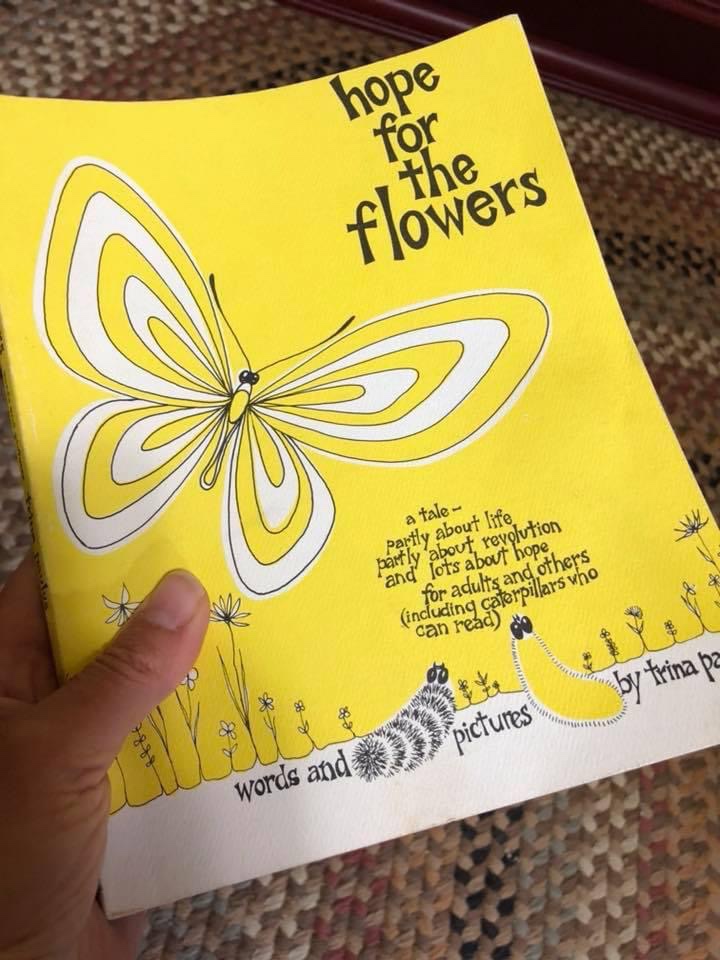
Always extra polite, Mary takes her cup to the sink, proclaiming that she has stayed too long. Wait not yet, leaping forward, my husband giving me the rook eye as I try best to temper myself. Time has flown by, I could talk to her forever. I gesture to a little bag of farm goodies on the table. A small jar of raw Honey, Jelly from the 100yr old grapes, a Fig bread from her family recipe & some recently harvested Kiwis we added to the farm….Along with the sweet little yellow book she sent to me to read almost 2 years ago. Just one of the many artifacts shared with us from Mary over the years. My greatest joy has been to share our harvest with those who appreciate our human connection to the earth and all living things. Always keeping the Hansen family traditional ways in the forefront of my mind.
We wrap up our visit with shared interests in current events. I love how deeply caring and convicted she is about the environment and social justice to name a few. Standing up for so many causes throughout the 60s & 70s, and still doing her part even today. Mary remains passionate about helping the underserved. Having declined a teaching position so many years ago in affluent GH, choosing to teach for less money serving the coastal tribal populations instead. With deep admiration, I look forward to spending more time with Mary, as we promise to connect again after the holidays.
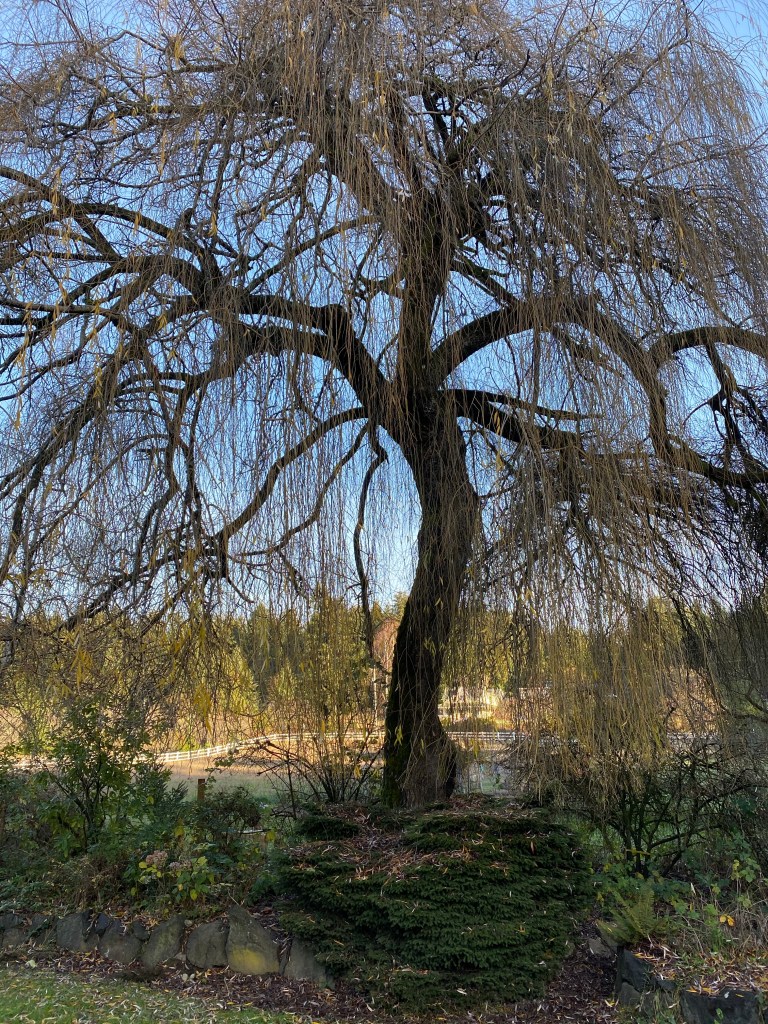
My kids and hubby join us in the driveway. A few tears fill her eyes, as she points to the old giant willow tree and remembers fondly the day her mother planted it. “She grew up with a willow tree, she always wanted one”. Walking toward her truck, she kicks the ball for our pesky chocolate lab, who seems enamored by Mary. Dogs have a sixth sense about people. I can see it in her little brown fuzzy face, sensing what I already know. I help load her car and wave goodbye as she drives away, until next time dear friend….
Hoping this short story brings reading comfort, as you enjoy the holiday season during this unusual time. For more on the history of Gig Harbor, check out: https://www.historylink.org/File/10271….Wishing everyone a healthy, prosperous New Year engaged in whatever family traditions bring you Joy! 🎄
 WillaBella Farm
Another interesting and insightful story. Great job Kathleen.
LikeLiked by 1 person
Thanks for reading friend❤️
LikeLike
Oh Kathleen I just love every bit of this history. So happy you can connect with Mary and are able to record more of the history. Her mother was so sweet. I visited with her many times out back (with her cats at our feet) and she too talked about the family legacy with the farm. It was hard not to fall in love with this place. So happy you are able to appreciate the farm as much as the original family did. Every time I either walk or drive by I think of Mrs. Hansen.
LikeLike
Awe thank you so much for sharing that friend❤️Have a wonderful Christmas! 🎄
LikeLike
Kathleen, There are no words, but simply the strong feelings of connections to you, your family and Heritage Place.
Merry Christmas and a New Year of renewal, rebirth and hope for the flowers. .I am grateful my friend.
LikeLike
Awe love that so much & thank you for letting me share a tiny glimpse of your family’s history. Beyond grateful for Heritage Place & our special connection dear friend. Have a wonderful Holiday Season full of goodness..And Yes Hope! 🎄❤️⛄️
LikeLike